Timing Belt Replacement From a Full-Service Manchester Auto Repair Shop
Your car's engine relies on precise timing between the valves and pistons for optimal performance, and it wouldn’t be possible without the timing belt (or chain). This critical component ensures a synchronized operation. When your engine timing is off, turn to Brutus Auto for a top-notch timing belt repair.
Difference Between Timing Belt and Chain
Timing Belt
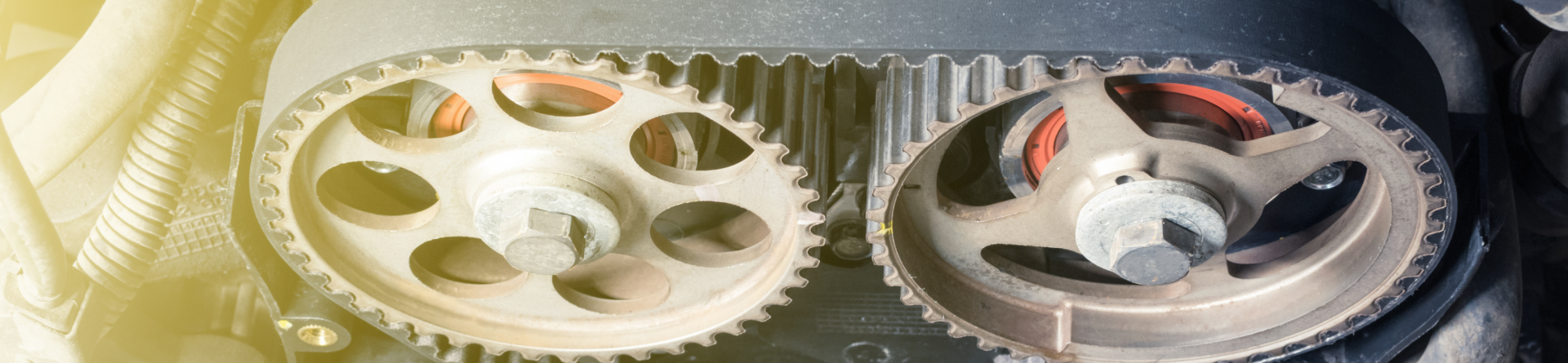
Timing belts are typically made of rubber, and they connect the crankshaft to the camshaft to control valve timing. Timing belts typically need replacement every 5 to 7 years.
Timing Chain
Instead of being made of rubber, the timing chain is made of metal. It performs the same function as a timing belt but generally lasts longer. Timing chains can still wear out and may eventually require replacement.
Our experienced technicians can replace your timing belt according to manufacturer specifications. We use high-quality parts and ensure proper installation as it is necessary for a properly functioning engine.
When Should You Replace the Timing Belt
When you reach the recommended replacement interval for a replacement, it’s best to take the proactive approach and replace it immediately. Otherwise, you can tell whether you have worn timing if it creates a ticking sound during operation. A failing timing belt or chain can also lead to rough idling, loss of power, or difficulty starting the engine.
Timing Belt Replacement Near Me
If you’re in search of a timing belt replacement in Manchester, NH, please reach out to Brutus Auto by calling (603) 624-8881! We'll help prevent engine damage and keep your vehicle running trouble-free.
When to Schedule Timing Belt Replacement
Vehicle symptoms can overlap, so a symptom does not automatically identify the part that needs to be replaced. Inspection and testing help separate the actual cause from the symptom. Consider scheduling timing belt replacement or a diagnostic visit when you notice any of the following:
What to Expect at Brutus Auto
Our goal is to make the repair process easier to understand. The exact tests and repair steps depend on your vehicle and the reason for the visit, but the service process generally begins with the concern you report and moves through inspection, diagnosis, recommendations, and approved repair work.
Share the warning light, noise, vibration, leak, maintenance need, or driving change that brought you in.
Technicians inspect the relevant systems and use appropriate diagnostic procedures before recommending parts or repair work.
We explain what was found, what requires attention, and the repair or maintenance options that apply to the vehicle.
Once work is approved, the team performs the service and checks the vehicle before it is returned to you.